
Amazon is borrowing billions for AI infrastructure while its agentic shopping assistant quietly reshapes how buyers compare prices. Here is what happened this week and why marketplace sellers should pay attention.
- Amazon raised at least 25 billion dollars in bonds this month to fund AI and data center expansion, its second major AI-driven bond sale of the year
- Amazon's agentic AI shopping assistant now shows a full year of price history on product pages in the US, UK, and India
- Prime Day 2026 online spending surpassed Adobe's pre-event estimate, continuing a strong year for marketplace demand
- AWS announced billions in new AI investment including a Forward Deployed Engineering program and a Secret Cloud for Industry offering for government workloads
- More price transparency for shoppers means pricing strategy and listing quality matter more than short-term discount tactics
Amazon had a busy first week of July, and most of it points in one direction, more AI investment behind the scenes and more transparency on the front end for shoppers. Here is what happened and what it means if you sell on the platform.
Amazon borrows 25 billion dollars to fund AI infrastructure
Amazon went back to the US bond market this month, seeking at least 25 billion dollars to fund its AI and data center buildout. Demand for the offering peaked at 62 billion dollars before banks trimmed the final spread, settling at around 41 billion dollars, or 1.6 times the size of the deal. That is still solid demand, though noticeably less frenzied than Amazon's earlier AI-related bond sale earlier this year.
The reason is straightforward. Amazon's capital spending on data centers is currently running ahead of the cash it generates from operations, so debt is filling the gap. This is not a warning sign on its own, most large tech companies are doing something similar right now, but it does confirm just how much capital is flowing into AI infrastructure rather than other parts of the business.
The agentic shopping assistant now shows a full year of price history
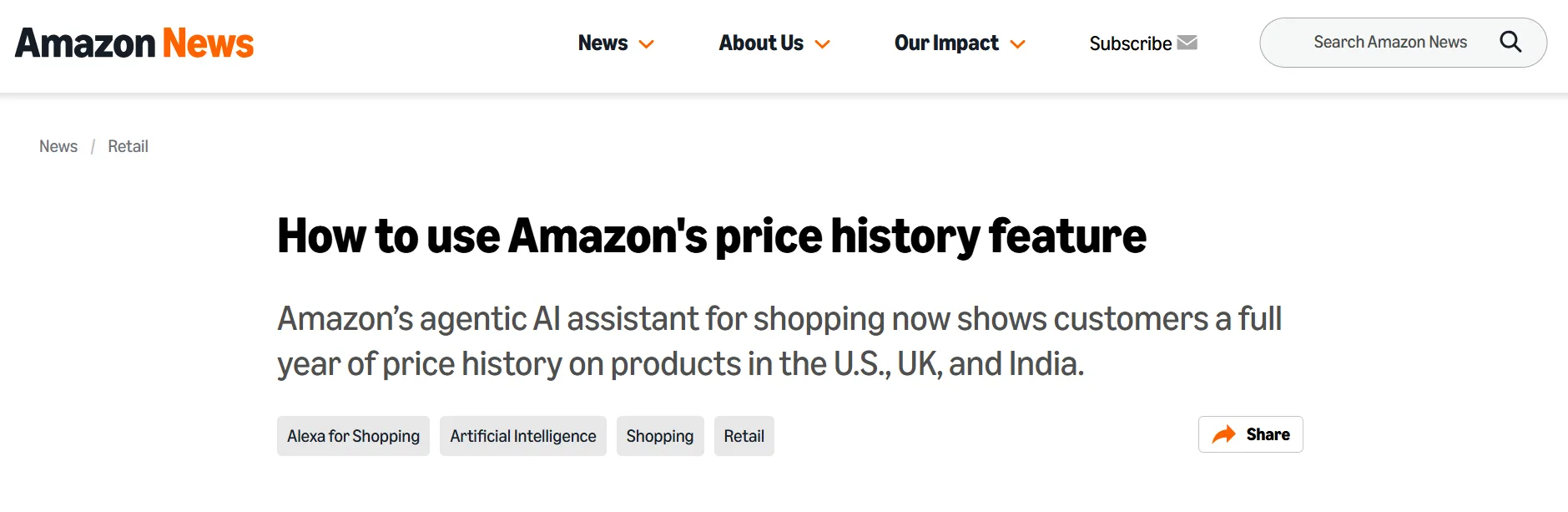
On the customer-facing side, Amazon's AI shopping assistant rolled out a feature that shows a full year of price history directly on product pages in the US, UK, and India. Instead of trusting a strikethrough price or a claimed discount percentage, shoppers can now see exactly how a price has moved over the past twelve months.
This is a meaningful shift for anyone running a storefront. Pricing games that rely on inflating a list price before a fake sale become much easier to spot. Sellers who keep pricing honest and consistent, and who let product quality and listing content do the work, are better positioned as this kind of transparency spreads.
Prime Day 2026 beat expectations
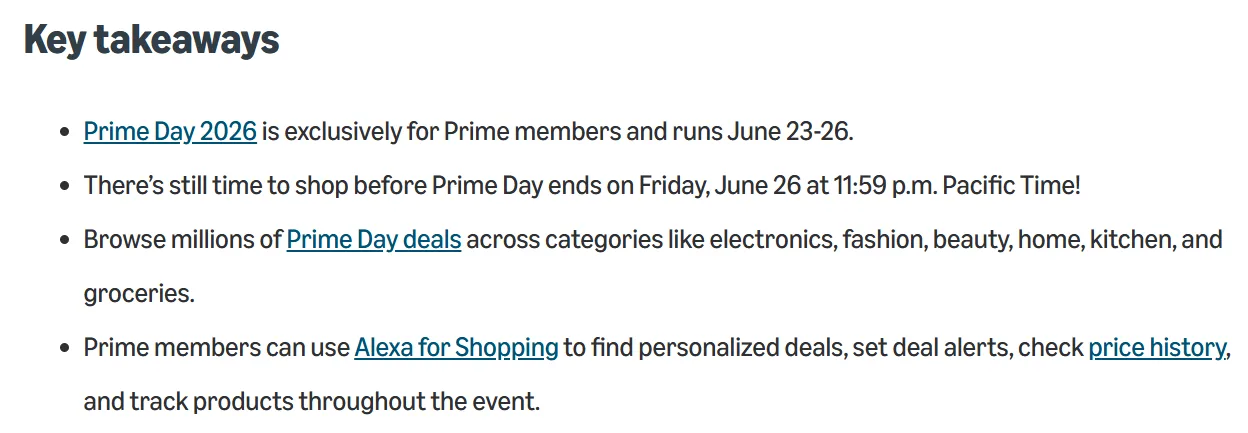
Online spending during Prime Day 2026 came in above Adobe's pre-event forecast, a sign that shopper demand stayed strong despite a mixed economic backdrop. Combined with the AI investment news above, it points to a marketplace that keeps growing even as Amazon reshapes how it is built and how it is shopped.
AWS keeps expanding on the infrastructure side
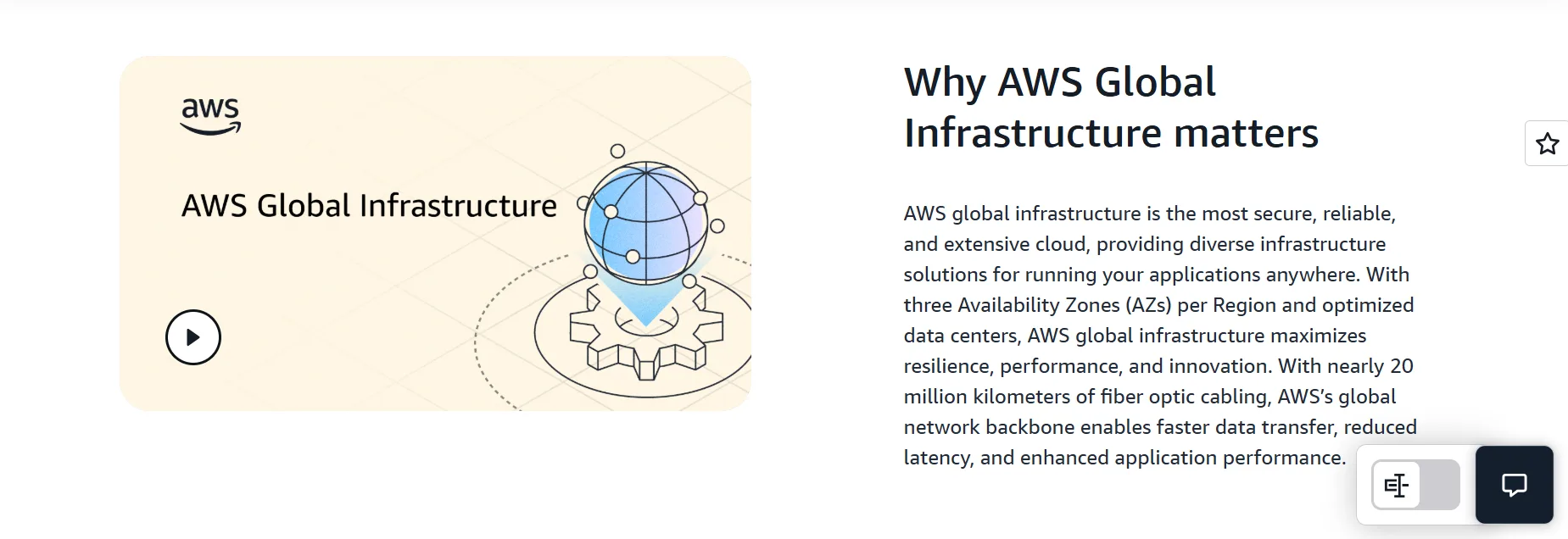
Separately, AWS announced a wave of new AI investment, including a Forward Deployed Engineering program that embeds engineers directly with customers, and a new Secret Cloud for Industry offering aimed at defense and government workloads. None of this touches sellers directly, but it is another data point showing where Amazon's capital and attention are going in 2026, deeper into AI infrastructure at every level of the business.
What this means if you sell on Amazon
Put together, these stories tell a consistent story. Amazon is investing heavily in AI both behind the scenes and in the shopping experience itself, and the shopping experience is getting more transparent, not less. If your pricing strategy depends on shoppers not noticing price history, that window is closing. The sellers who will do best from here are the ones building durable listings, consistent pricing, and real product quality, the things that hold up regardless of how much visibility a shopper has into your price history.
Amazon sold 25 billion dollars in bonds to fund AI infrastructure, its agentic shopping assistant now shows a full year of price history to buyers in the US, UK, and India, and Prime Day 2026 online spending surpassed Adobe's forecast. Together these signal more price transparency for shoppers and more AI investment behind the scenes, both of which change how sellers should think about pricing and listings.
The price history feature is the one I would watch closest. When shoppers can see a year of price movement before they click buy, discount stunts and fake urgency stop working. Sellers who keep pricing steady and let quality carry the listing will come out ahead of sellers chasing short-term spikes. — Maimoona Iqbal (Marketplace Growth Specialist)
Article complete. You just invested 4 minutes in learning something valuable.
Frequently Asked Questions
Amazon's capital spending on data centers and AI infrastructure is currently outpacing the cash it generates from operations, so it is turning to debt markets to cover the gap. The 25 billion dollar bond sale drew strong demand from investors even as enthusiasm has cooled slightly compared to its earlier AI-related bond offering.
Amazon's agentic AI shopping assistant now displays a full year of price history directly on product pages, letting shoppers see whether a current price is actually a good deal. It is currently live for customers in the US, UK, and India.
Yes. With a year of pricing visible to shoppers, sudden discounts or inflated list prices followed by fake sales become easier for buyers to spot. A steadier, defensible pricing strategy will likely perform better than short-term price games.
Yes, online spending during Prime Day 2026 came in above Adobe's pre-event forecast, suggesting continued strong demand from shoppers despite broader economic uncertainty.


